Operations & Growth Archives - Itensity Gym Management Software
Book a Demo


Back to all articles

Operations & GrowthJun 20269 min read

Your gym is the best dating app in town. You’re just not charging for it.

Dating apps are dying. Gen Z is the most gym-engaged generation in history. And the people who want to meet are already paying you a monthly fee to be in a room full of fit, like-minded strangers. Here’s how to turn that into revenue and retention.

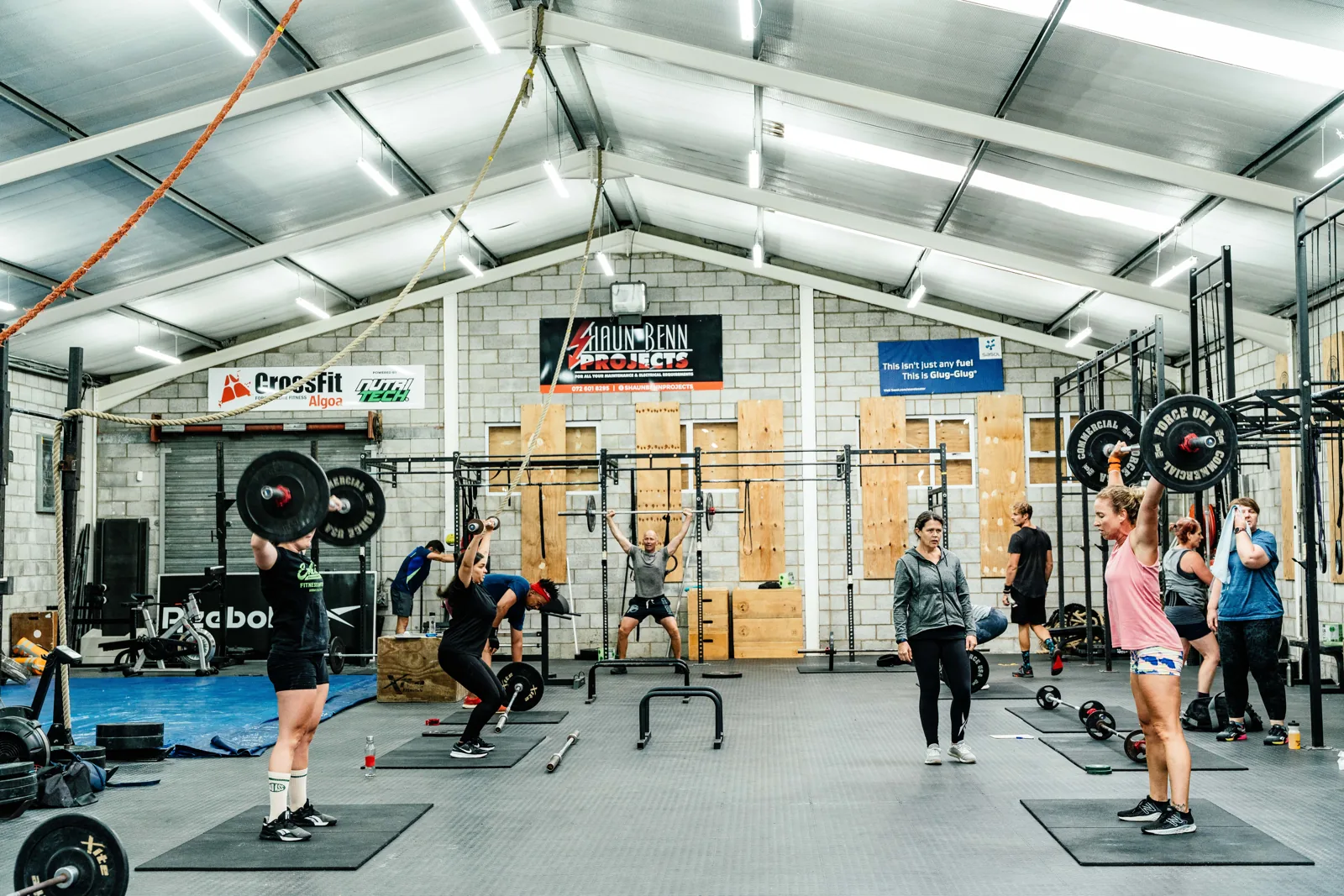
A full functional-fitness class training together — the room independent gyms already own
The room is already full of motivated, single people who show up voluntarily. That’s a community most apps would pay a fortune to assemble.

Here’s a statistic that should make every gym owner sit up. Nearly eighty percent of Gen Z say they’re burnt out on dating apps. Eighty-six percent of adults under twenty-five are single. And the vast majority of them are already paying someone a monthly membership fee to be in a room full of fit, like-minded people several times a week.

That someone could be you.

We’ve spent some time digging into a shift most South African operators have completely missed, and turned it into both a short video and a full step-by-step workbook. Here’s the thinking behind it.

The generation in your gym

A burnt-out, single generation that already trains

0%
of Gen Z are burnt out on dating apps
0%
of adults under 25 are single
0
simple event formats you can run this month

Sources: industry surveys on Gen Z dating-app fatigue and singlehood. Figures rounded.

The apps are dying. The gym floor is winning.

Dating apps are bleeding users at scale. An entire generation tried swiping, found it exhausting and hollow, and started looking for something real. At the same time, Gen Z became the most gym-engaged generation in history, and most of them prefer training in groups. They don’t just want to get fit. They want to be around people.

The neuroscience backs it up, but you don’t need a study to know it. A screen gives you a quick hit. A shared workout with a stranger who becomes a friend gives you something that lasts. People are desperate to meet in person again, and the gym floor is already the best place in any town to do it.

Even Hyrox saw it. The global fitness-racing brand recently partnered with a dating app to run blind-date mixed-doubles events, pairing strangers at the start line. Applications sold out early. When a brand that size builds a product around this, the opportunity is real.

Why this is an independent operator’s game

The big chains won’t touch this. The brand risk is too high, and community can’t be manufactured at scale. That structural gap is exactly where independent gyms and studios have the advantage. You can be human. You can build a room where everybody knows each other. And right now that’s worth more than any piece of equipment you’ll ever buy.

The honest framing

This is a revenue strategy and a genuine community builder at the same time. Lead with the human side in your marketing — people respond to connection, not a sales pitch — and let the commercial return follow. Members can tell the difference.

It works two levers at once

Run a few simple event formats and you generate direct revenue from entry fees while building the kind of community that keeps members from ever cancelling. A member with a training partner, a Saturday crew, a social circle they’d feel bad leaving, simply doesn’t churn.

Two levers, one compounds

Entry fees pay this month. Retention pays for years.

Direct event revenueimmediate, once-off
Retention value over timecompounds, far larger

Illustrative. The upfront entry fees are real money — but the retention dividend from a member who stays years instead of months dwarfs it.

The retention dividend compounds. A member with no social ties decides month to month whether the cost is worth it. A member who’d let down their Thursday crew by leaving doesn’t open the cancellation page at all.

The retention dividend

A connected member stays. A solo member drifts.

Member with a crew
Solo member, no ties

100% 50% 0% Join Month 6 Month 12

Illustrative retention curves. The shaded gap is the dividend — members you’d have lost, kept by a connection they made on your floor.

A connected member stays for years, not months. That retention dividend dwarfs the entry fees that paid for the event.

Three formats, three kinds of member

Three formats cover the full spectrum of personalities in your gym: one to compete, one to simply train, and one to socialise. Run all three and every member gets an entry point that matches their comfort level. Start with one, prove it, then add the others.

The line-up

One to compete · one to train · one to connect

Monthly · Flagship

Blind Date Doubles
Sign up solo, meet your partner at the door, compete together. The name does the marketing for you.
Barrier to entryHigh
Social payoffHigh
Weekly

Singles Partner Workout
A normal class where everyone’s single and partners are randomly assigned. No spotlight, no declarations.
Barrier to entryLow
Social payoffSteady
Every 2 weeks

The After-Dark Session
Sweat first, connect after. ~60 min training, then 30 min social — smoothies, music, good people.
Barrier to entryMedium
Social payoffHigh

Each format pulls a different personality. Rotating between them — and reshuffling partners each time — means members meet new faces every cycle.

Blind Date Doubles is a competition with a twist — pair by fitness level, finish on a leaderboard, and the shared effort gives people something to talk about. The Singles Partner Workout is your low-barrier entry point: a recurring slot where nobody has to declare anything. The After-Dark Session is where your regulars are made — the workout breaks the ice so the social half never feels forced.

The monthly rhythm

Something every week, a flagship every month

Wk 1Wk 2Wk 3Wk 4
Singles Workout

After-Dark

Blind Date Doubles

A predictable rhythm — weekly, fortnightly, monthly — becomes part of how your community thinks about your gym. Consistency beats scale.

Match people with care, not algorithms

Good matching is mostly about avoiding obvious failures, not engineering perfect couples. Your job is fair, comfortable pairings — then let chemistry do the rest. The guiding principle keeps it safe and dignified: ask what people want, not what they are.

Rule 1 — Preference, not category

Collect each person’s own preferences — who they’d like to meet — rather than sorting people by ethnicity, religion, or any sensitive attribute. Preference-led and consent-based is safer and far less intrusive.

Rule 2 — Default to dignity

The pairing logic stays invisible. Never announce why two people were or weren’t paired, train your door to handle a swap gracefully, and if a field might feel insensitive, leave it out.

Apply a simple hierarchy. The first rules are absolute; the rest are tie-breakers — and after them, you randomise.

  1. Honour stated preference first. If someone said “pair me with women,” that’s absolute. Never override it to balance numbers.
  2. Respect the age band. Stay inside the comfortable range each person gave.
  3. Match intent with intent. Pair “here to meet someone” with the same, and “just here to train” with the same. Mismatched intent is the most common cause of an awkward pairing.
  4. Balance fitness level so the workout is fair and nobody feels carried.
  5. Honour volunteered dealbreakers, then randomise within the safe set. Beyond the rules, randomness keeps it fun and removes any perception of bias.

A boutique studio session where the same group trains together
In boutique fitness, the standing slot is the relationship — and a social event is what turns strangers into that standing crew.

Fill the room for almost nothing with Vitality

Discovery Vitality Fitness is the single best way to fill these events with new faces at near-zero acquisition cost. Vitality members find your facility in the Discovery app, book a session, and walk through your door already motivated. An event turns that one-off subsidised visit into a community experience that converts.

Vitality visitor → event regular → member

A warm lead, an experience, then a membership

Books a session in the Discovery appauto-creates a CRM lead
Vitality lead, verified & goal-driven
Invited to the next event at the front desk“want me to hold you a spot?”
Attends a social workout
Comes back — now there’s a reason beyond the workoutrepeat attendee
A relationship forms
Converts to a full membershipexperience first, never a hard sell
Member
A Gold/Diamond member’s annual visit value vs a Blue member
21
Paid visits per member once trial visits are used up
On booking
You’re paid when they book — not only when they attend

Funnel proportions are illustrative. Vitality mechanics per Discovery’s current model; submit your real advertised rack rate.

Keep the rhythm going

The real value isn’t a single event — it’s a rolling series that keeps people coming back and meeting new people each time. Reshuffle pairings every event so the same two people aren’t matched twice. Rotate the format so someone who found Doubles too intense discovers the After-Dark Session. And if a core group forms, gently seed new members into it rather than letting it close off — a clique that excludes newcomers kills a series.

Consistency beats scale. A small event that runs reliably every week builds more community — and more retention — than a big one-off that never returns.

How to set up your gym to actually capture this

The opportunity is only as good as the system behind it. Here’s how to set up the three things that turn a fun event into a repeatable revenue and lead engine.

1. Start with a campaign and a landing page, not a calendar invite

The most common mistake is sending people straight to a booking link. Capture the lead first. Set up a dedicated marketing campaign for the event with its own landing page, so every sign-up is tracked to source and lands in your system as a lead. Once someone registers, an automated email goes out confirming their spot — and that same email is where you fold in the event detail, the what-to-bring, and the reminder sequence. The lead is captured, attributed, and nurtured automatically, before anyone sets foot in the building.

2. Set up your CRM to track interest

Run the right campaign and your leads arrive pre-tagged from the landing page, so you can see exactly which event drove which sign-up. On top of that, give these events their own stages in your sales pipeline so they don’t get lost in your normal sales flow. A simple set of event-specific stages looks like this:

  1. Event Lead — registered via the landing page
  2. Booked — secured a spot for a specific event
  3. Attended — checked in on the day
  4. Followed Up — thank-you and next-event invite sent
  5. Repeat Attendee — came to a second event
  6. Converted — joined as a full member

That way you can measure the whole journey, from first click to signed member, and see which format converts best.

3. Use bookings — and let Vitality Fitness pay for the session

When you set up these events as bookable classes, you can control exactly who can book them. Make the class credit-eligible for existing members or for specific membership packages, so the right people can book straight from the app using their bookings and scheduling setup.

Here’s the clever part. Because Itensity is integrated with the Discovery network, you can make these Blind Date Doubles or Find-a-Partner sessions bookable through Vitality Fitness. The member books the session and attends for free — and Discovery pays you for it. It’s one of the smartest ways to fill your events: you bolster your Vitality numbers, you bring new faces through the door at no acquisition cost, and Discovery covers the cost of the session.

Watch the video

We’ve broken the whole opportunity down in a short video — the three formats you can run this month, the real revenue numbers, and how Vitality Fitness becomes a near-free way to fill your events with new faces.

Download the complete workbook

Then we built the full operating manual to go with it. The workbook covers everything you need to actually run this: the three event formats, registration and matching forms, a sensitivity-first approach to pairing, the marketing calendar and cadence, Vitality integration, CRM setup, the full event run sheet, and how to run a rolling series that keeps momentum going — with printable checklists throughout.

The Dating & Social Events Workbook
Ten parts, three formats, copy-ready forms and printable run sheets. Built by Itensity for independent operators.

Download the workbook

The bottom line

Your members are lonely. They’re motivated. And they’re already showing up. The only question is whether you’ll give them a reason to stay after the workout ends, or let them go home and open an app instead.

You have the room. Use it.

Built for independent operators

Run events, fill them with Vitality, convert them in your CRM

Bookable event sessions, capacity caps, automated reminders, Vitality integration and an events pipeline — all managed from one place in Itensity.

Back to all articles
Operations & Growth Jun 2026 · 8 min read

Recurring Bookings: How to Turn a Scheduling Feature Into a Growth Engine

Most gyms treat bookings as admin. Used properly, recurring bookings are a retention tool, a revenue line, and an operations fix — all at once. Here’s how to actually use them.

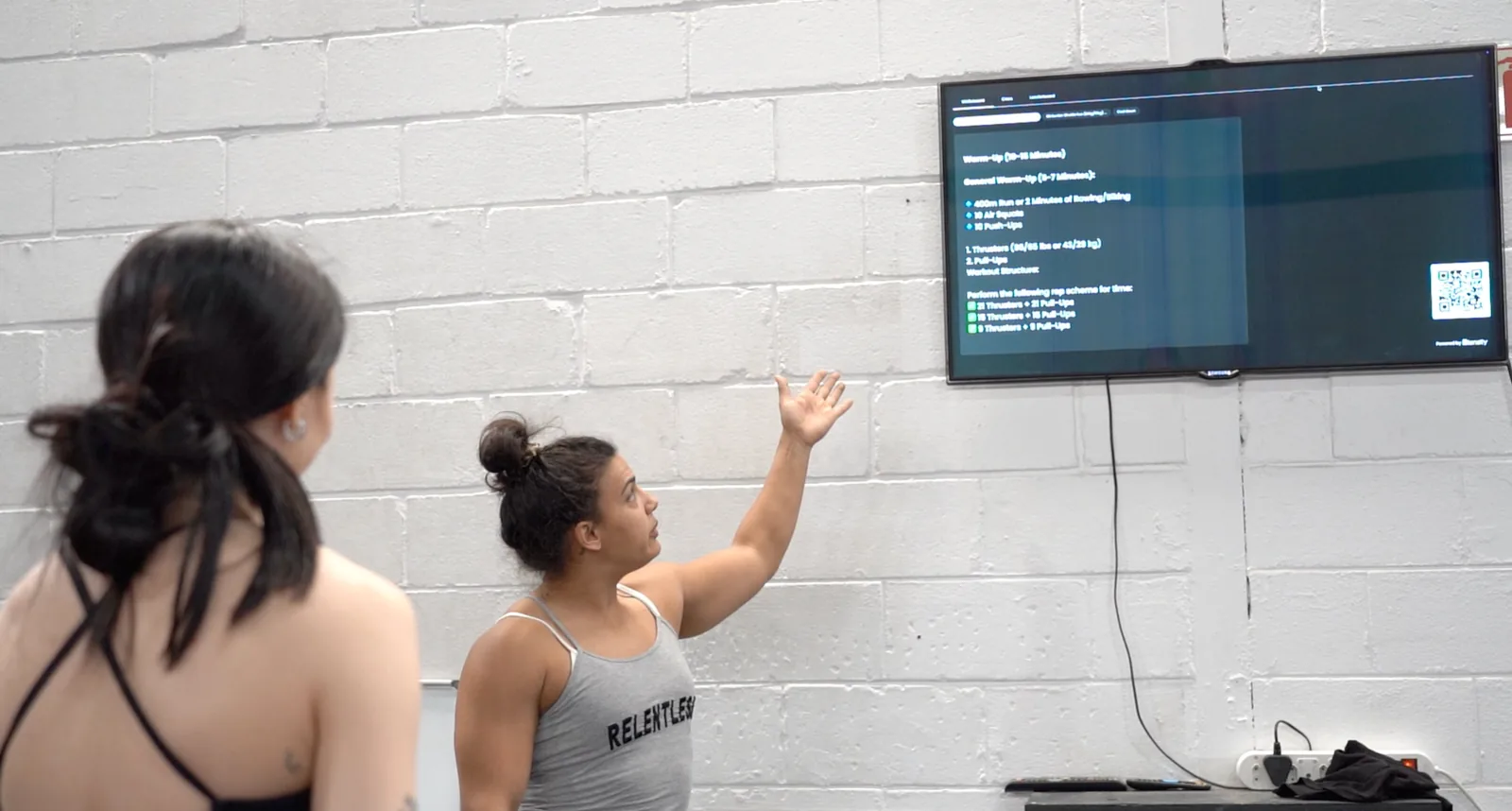
A coach pointing to the workout of the day on screen as members lock in their standing class slot

Most gyms treat bookings as admin. A member wants a spot, they book a spot, your team processes it. Done. That is a missed opportunity.

Recurring bookings let a member lock the same slot, every week, automatically. No rebooking. No lost spots. On the surface that sounds like a convenience feature. Used properly, it is a retention tool, a revenue line, and an operations fix all at once.

This guide breaks down how to actually use it — what works for big corporate clubs, what works for boutique studios, and how to blend recurring bookings into your normal schedule without breaking it.

Why this matters more than it looks

Retention is where the money is. The research is blunt: improving membership retention by even five percent can lift profits by twenty to thirty percent, because you stop burning your budget replacing members who left.

A small retention gain, a big profit gain
Why holding onto members beats constantly replacing them
+5% retention
small effort
Profit impact
+20–30%

And members leave early. The first three classes are where a new joiner silently decides whether your club fits their life. If their routine never locks in, they drift. A booked, repeating slot is one of the simplest ways to build that routine for them.

Recurring bookings is not really about saving clicks. It is about building habit, protecting your best members, and creating predictable revenue.

Two different playbooks

The same feature gets used very differently depending on your model. Do not copy the boutique playbook into a big club, or the other way around — they solve different problems.

Corporate & multi-club

Space and volume. Your problem isn’t scarcity — it’s structure across a large, busy floor.

  • Corporate & school contracts on a fixed day and time — set once, owned for the term.
  • Structured programmes — rehab blocks, post-natal courses, beginner series that close automatically.
  • High-demand classes — give loyal regulars certainty in the one or two slots that always fill.

Boutique studios

Small space, small classes, demand that outstrips supply. This is where it’s most powerful.

  • Standing class slots — the 6am spin crowd, the Tuesday/Thursday Pilates regulars.
  • The instructor relationship — members stay for people; protect that slot.
  • Community — the same faces, same slot, every week. Friendships keep members.
A full functional-fitness class — the kind of high-demand slot recurring bookings protects
High-demand classes fill with the same faces — lock them in.

The marketing angle: sell the slot

Here is the shift in thinking. A guaranteed weekly slot is worth paying for. Most gyms give away the most valuable thing they have — certainty of access to a scarce, popular class — for free. You don’t have to.

Let members pay a small monthly amount to lock their place in your most popular classes or with your busiest trainers. Frame it as access insurance: “Never lose your spot.” Two rules keep it clean:

Rule 1 — Only sell it where demand is real
Charging extra for a guaranteed spot in a half-empty Tuesday afternoon class makes no sense, and members know it. This is a tool for your full classes only.
Rule 2 — Sell it as a new layer, not a clawback
Don’t put your existing loyal regulars behind a paywall they never had before. Offer it on new slots and to new members. Taking away something that used to be free breeds resentment fast.

Use challenges and limited-time offers

Run an eight-week challenge — a transformation block, a strength cycle, a beginner intro course. Everyone who signs up gets pre-booked into the same slot for the full eight weeks, then the booking ends automatically. Why it works: urgency sells, commitment drives results, you can charge a premium for a structured outcome, and there’s a clean exit because the booking has a hard end date.

The operations angle: less admin, fewer mistakes

Manual rebooking is one of the biggest hidden time sinks in a busy studio. Recurring bookings removes that loop for your most predictable members: your team stops chasing rebooks, you field fewer “I lost my spot” complaints, and a good setup shows you what’s active, what’s ending soon, and what needs attention — so you act before a lapse becomes a churned member.

For rental & hybrid operators
If instructors rent slots but you manage bookings, keeping that booking layer in-house means you keep visibility of who’s in your building, protect your capacity, and hold the member relationship and data — instead of fragmenting it across individual trainers. That’s worth a lot when a renter leaves and you want to keep their clients.

Personal training: the one-on-one case

Recurring bookings is almost made for PT. Same client, same trainer, same time each week — exactly the pattern it handles. No weekly rebooking dance, no double-booking, protected income for the trainer, and clean blocks for packages: sell ten sessions over ten weeks, pre-book the full set into a fixed slot with an end date, and the block closes itself when it’s done.

A boutique studio class where the same group trains together each week
In boutique fitness, the standing slot is the relationship.

How to blend recurring and normal bookings

This is the part most people get wrong. Recurring bookings is not meant to replace your normal booking system — it sits inside it. Use recurring for the predictable core, and normal bookings for everything flexible around it.

The single most important rule: do not let recurring bookings swallow an entire class. If you reserve twelve of fifteen Pilates beds as standing slots, only three are left for everyone else — and your trial joiners get shut out of your best classes. A sensible ceiling is around 30–40% of a class held as recurring.

Cap the reserved portion of each class
Leave room for casual members and trials — or you quietly kill new-member conversion
Healthy mix
~35% recurring65% open to all
Too locked
80% recurring — new members can’t get in

Every recurring slot you sell is a slot removed from open availability. That’s the point — but it changes how much room you have for new members to try you out. The payoff is stability: a base of committed, repeating bookings is far steadier than leaning on once-off sales.

Recurring revenue is business stability
Booked, repeating slots smooth out the peaks and troughs of once-off sales
Once-off only — volatileWith recurring — steady & rising

A practical rollout plan

Do not flip this on across your whole timetable at once. Pilot it.

  1. Pick your highest-demand classes or trainers — the ones that always fill. That’s where scarcity makes recurring bookings valuable.
  2. Decide your cap — set the percentage of each class you’ll hold as recurring before you start.
  3. Choose your first commercial play — a paid “fixed spot” add-on, or an eight-week challenge with pre-booked slots. Run one, learn from it.
  4. Set up your team’s access — make sure the right staff roles can view and manage recurring bookings before you go live.
  5. Measure — track whether your reserved-slot members show up more, stay longer, and renew. That’s the number that tells you it’s working.

The bottom line

Recurring bookings looks like a scheduling convenience. It is actually three tools in one: a retention tool, because a held slot builds the habit that keeps members from drifting; a revenue tool, because a guaranteed spot in a full class is worth paying for; and an operations tool, because it removes the weekly rebooking grind.

Use it where demand is real. Cap it so it never locks new members out. Blend it into your normal schedule instead of replacing it. Do that, and a quiet booking feature becomes one of the most practical growth levers in your club.

See recurring bookings in Itensity

Standing slots, challenge intakes, PT blocks and capacity caps — all managed from one place.

Book a Demo Explore Bookings
