
Running a gym in South Africa, the UK or Ireland has never been more competitive. Costs are rising, member expectations are increasing, and retention is harder than ever. Yet many gym owners still rely on instinct instead of insight.
Stop Managing on Noise
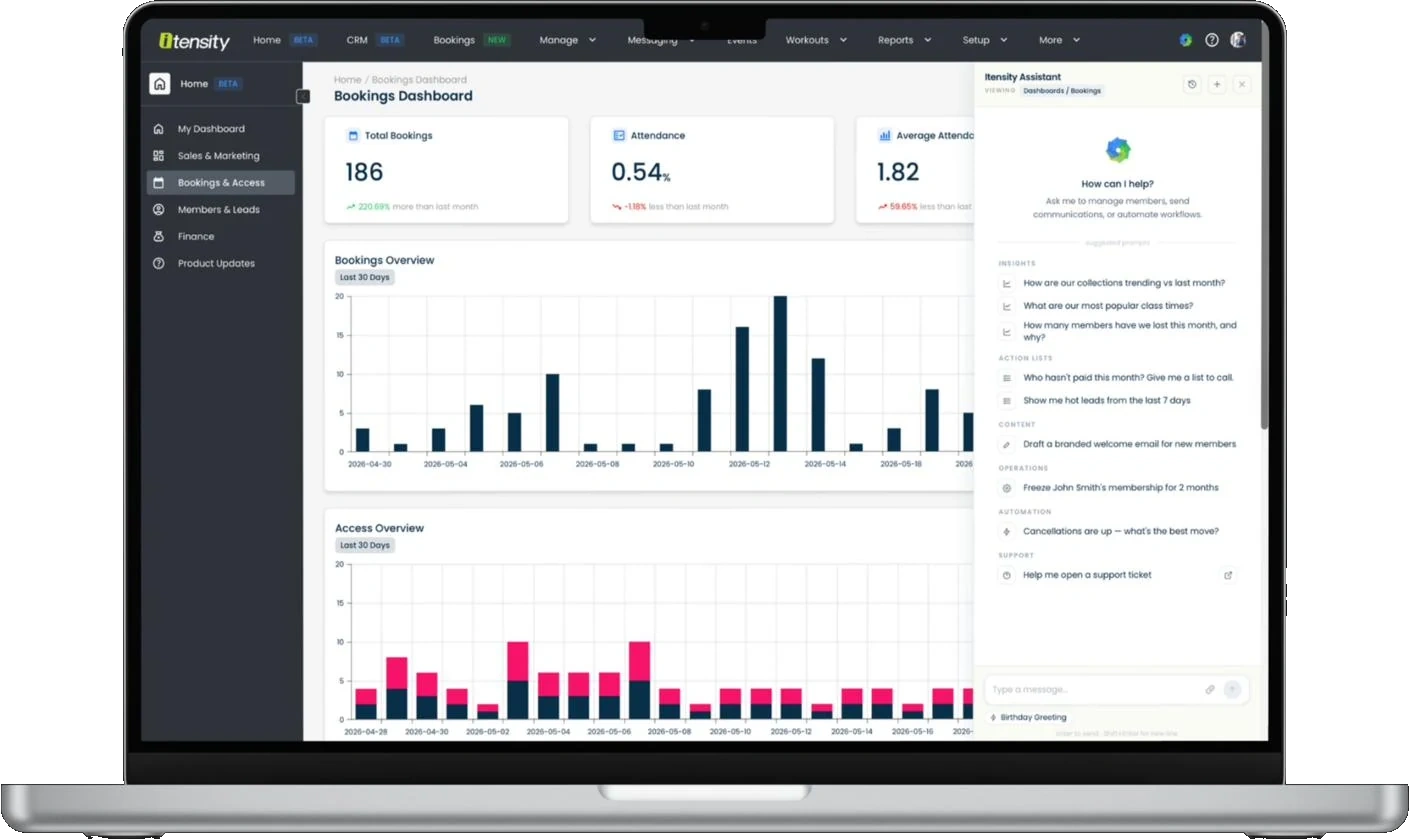
Every gym experiences “noise”, three members complain in one week, one cancellation feels personal, a negative review feels alarming. But isolated incidents are not strategy indicators. Trends are. Modern gym dashboard software allows you to track sales vs cancellations, cancellation reasons, membership growth trends, and revenue vs member count.
Leads Predict Sales
If you are serious about growing your fitness business, you must track leads. Leads are a precursor to revenue. When lead flow increases, sales usually follow. When lead flow drops, revenue slows 30–60 days later. Monitor lead sources, conversion rates, sales per consultant, and campaign performance.
Attendance Predicts Retention
One of the most powerful metrics is attendance. Inactive members cancel quietly. Active members stay longer. Your gym attendance tracking system should show monthly attendance trends, seasonal dips, peak vs off-peak usage, and engagement across age brackets.
Revenue Matters More Than Member Count
A gym with 1,000 members is not automatically healthier than one with 600. What matters is revenue per package, recurring revenue ratio, and invoice vs collection performance. Many gym owners discover their most popular package is not their most profitable.
Recurring Revenue Is Business Stability
Focus on recurring revenue to reduce risk. Gyms relying heavily on once-off sales, cash payments, and manual EFT transfers are more vulnerable during slow seasons. Healthy gyms prioritise debit orders, direct debits, automated card payments, and online payment links.


